
Buffalo, NY Homeowner Guide
Does Homeowners Insurance Cover Roof Replacement in New York?
Yes, standard New York homeowners insurance generally covers roof replacement when a sudden, covered peril like a windstorm or hail damages the roof, but not gradual wear, age, or neglect. Wind and hail were the single largest source of US home insurance claims from 2019 to 2023, per the Insurance Information Institute.
- Storm damage inspections since 2007
- CertainTeed and Owens Corning certified
- Free written estimates
What a New York policy covers, and what it will not
Does homeowners insurance cover roof replacement in New York?
Yes, standard New York homeowners insurance generally covers roof replacement when a sudden, covered peril like a windstorm or hail damages the roof, but not gradual wear, age, or neglect. Wind and hail were the single largest source of US home insurance claims from 2019 to 2023, per the Insurance Information Institute.
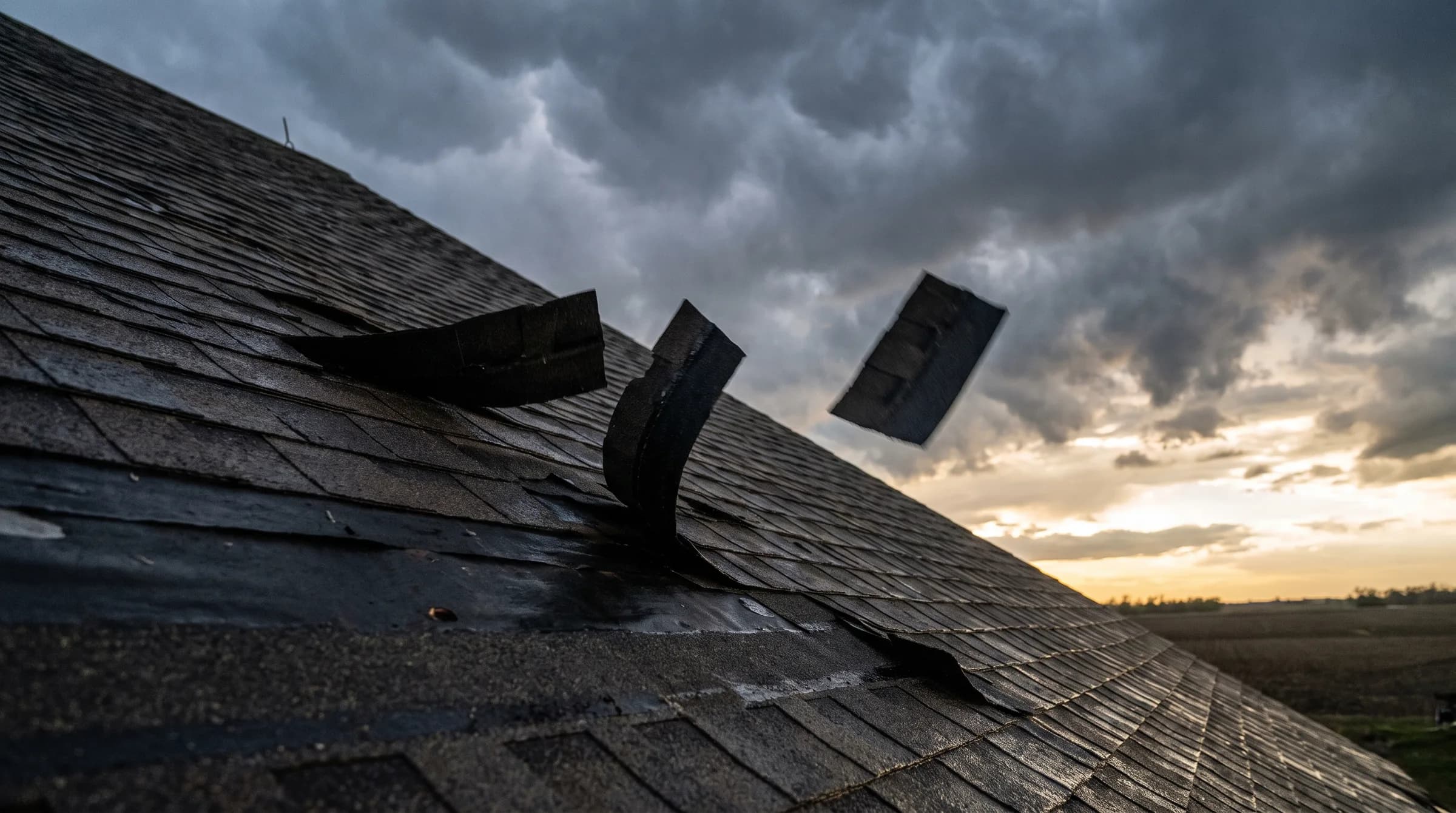
New York homeowners insurance covers roof replacement when a sudden, covered peril causes the damage, and it excludes damage from age, wear, or deferred maintenance. Wind and hail are the reason this distinction matters so much in Western New York. From 2019 to 2023 they accounted for the largest share of all United States home insurance claims, affecting about 2.8 percent of insured homes each year at an average payout of 14,747 dollars, according to the Insurance Information Institute. A standard HO-3 policy treats windstorm, hail, fire, lightning, and falling trees or limbs as covered perils, so a roof torn open by a Buffalo windstorm is usually a legitimate claim.
- Covered perils
- Wind, hail, fire, lightning, falling trees, sudden storm damage
- Not covered
- Age, wear and tear, neglect, deferred maintenance
- RCV vs ACV
- RCV pays full replacement cost; ACV subtracts depreciation
- Older roof rule
- Many insurers shift roofs over 15 to 20 years to ACV only
- NY windstorm deductible
- Optional, commonly 1% to 5% of dwelling value (NY DFS)
- Wind and hail claims
- Largest share of US home claims, 2019 to 2023 (III)
- Average wind/hail payout
- 14,747 dollars (Insurance Information Institute)
- Buffalo snowfall
- About 85 to 95 inches per year (National Weather Service)
- Contractor
- Mann Roofing and Remodeling, Buffalo NY, serving since 2007
The deductible math
Deductibles in New York come in two forms. A flat dollar deductible, often 500 to 2,500 dollars, applies to most claims. Separately, many high-wind and coastal policies carry a percentage-based windstorm or hurricane deductible. The New York State Department of Financial Services notes that a windstorm deductible commonly ranges from 1 to 5 percent of the insured value of the dwelling, and that a hurricane deductible is usually company-mandated and triggers only when a storm is officially declared a hurricane. On a 300,000 dollar home, a 2 percent wind deductible is 6,000 dollars out of pocket before coverage begins, so it pays to confirm which deductible applies to roof damage.
Buffalo's gray areas
Buffalo's climate creates gray-area claims that homeowners should understand before winter. The National Weather Service reports the city averages roughly 85 to 95 inches of snow per year, with snowbelt towns south of the city seeing far more. The sudden weight of a heavy snow load or the collapse of an ice dam is often treated as a covered sudden event, while slow leaks from repeated freeze-thaw cycles and poor attic ventilation are typically excluded as maintenance. The NRCA notes that proper attic ventilation can extend a roof's life by up to 25 percent, and insurers increasingly expect that kind of upkeep before they pay a claim.
Document everything
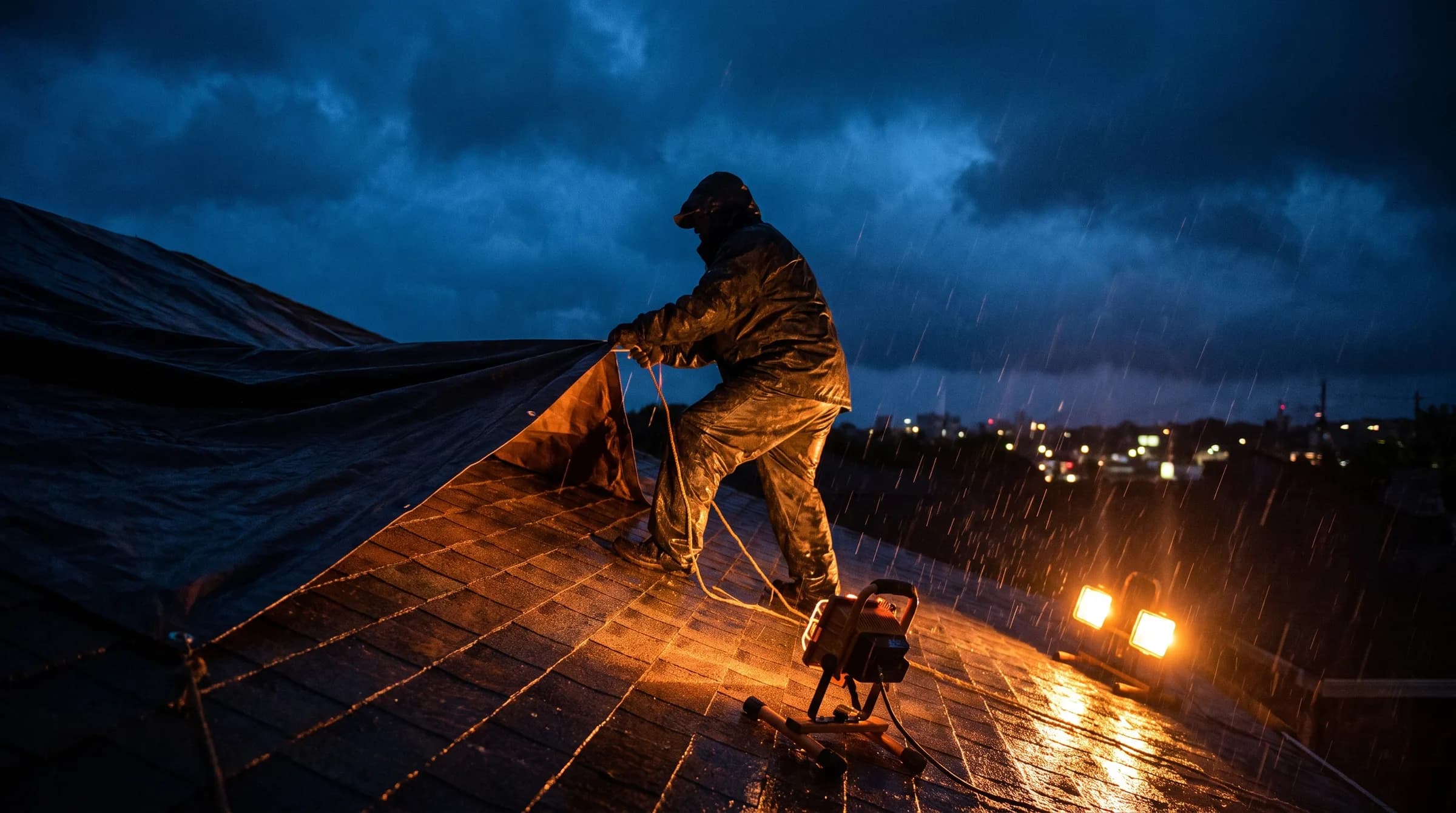
The claim process rewards documentation and speed. File as soon as practical after a storm, photograph the damage from the ground, keep receipts for any emergency tarping, and request a copy of the adjuster's report. Roof-related items now account for about 25 percent of all residential claim value according to 2024 Verisk data reported by U.S. News, so adjusters scrutinize these claims closely. An independent, written estimate from a local roofing contractor gives you a factual basis to compare against the insurer's number and to contest a low ACV valuation.
Where Mann fits
This is where Mann Roofing and Remodeling fits into the process. Serving the Buffalo area since 2007, Mann is a CertainTeed and Owens Corning certified contractor that can inspect storm damage, document it in writing, and provide a detailed replacement estimate you can submit alongside your claim. Mann does not act as a public adjuster and does not negotiate with your insurer on your behalf, but a clear contractor estimate often clarifies the true scope of a roof replacement. For the deductible or any portion insurance does not cover, Mann offers HEARTH financing with 0 percent interest for 12 months and no payments during that period.
- Insurance Information Institute - Facts + Statistics: Homeowners and Renters Insurance
- NY State Department of Financial Services - Homeowners Insurance: Basic Coverage
- Bankrate - Roof Insurance: ACV vs. Replacement Cost
- U.S. News - Most Common Homeowners Insurance Claims (2024 Verisk data)
- National Weather Service Buffalo - Buffalo Snow Climatology
Three findings that set the size of your check
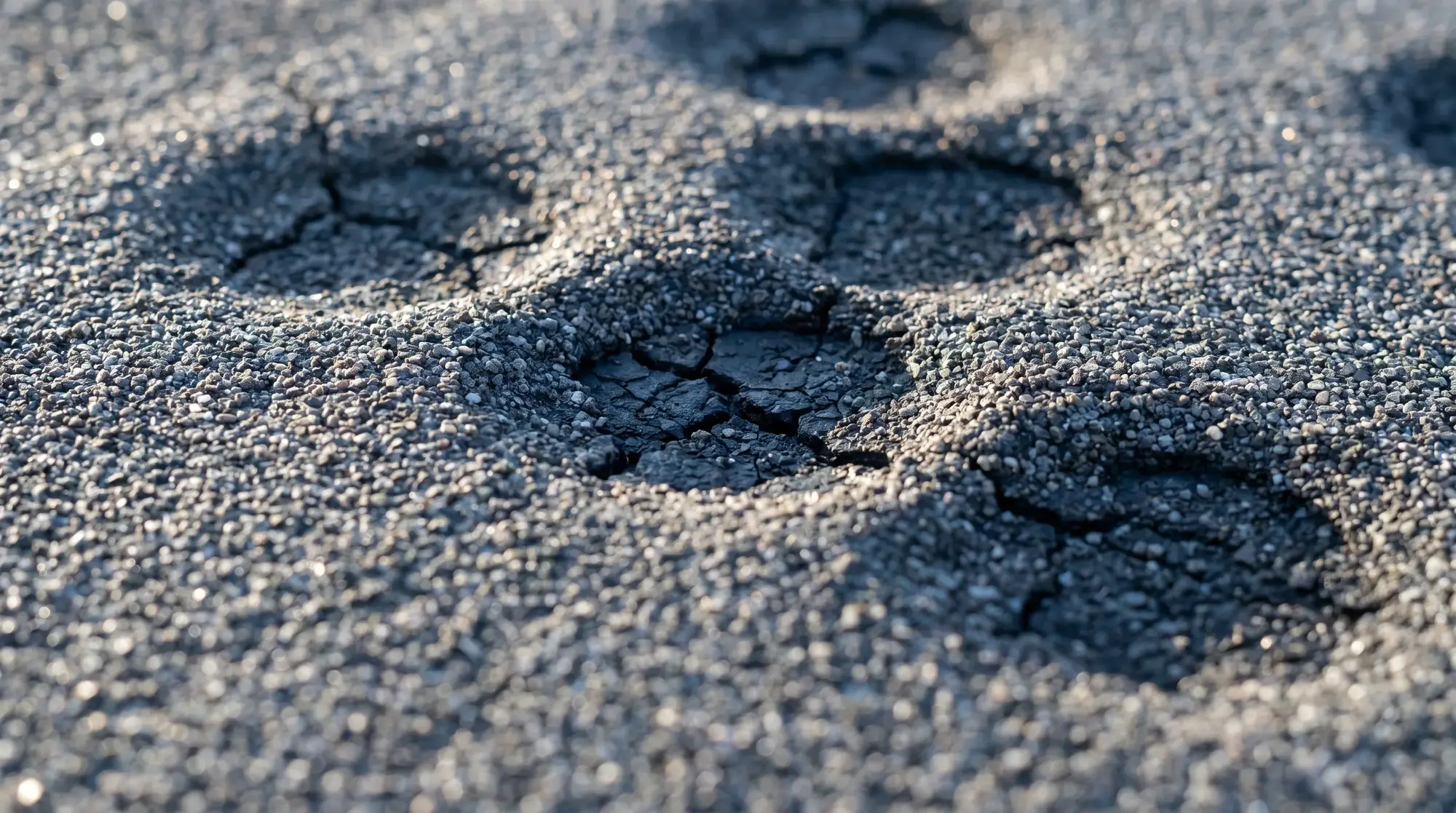
The line insurers draw is between sudden accidental damage and gradual deterioration. A roof that fails because its shingles have simply reached the end of their service life is considered a maintenance issue, not an insurable loss. Architectural asphalt shingles, the most common roof in the Buffalo area, last roughly 22 to 25 years according to service-life data from the NRCA and NAHB, and adjusters use that expected lifespan as a benchmark. If your roof was already curling, missing granules, or leaking before a storm, an adjuster can deny or reduce the claim on the grounds that the roof was not in reasonable condition beforehand.
If a claim is approved, the payout amount depends on whether your policy pays Replacement Cost Value or Actual Cash Value. RCV pays the full cost to install a new roof of like kind and quality with no deduction for age. ACV pays that replacement cost minus depreciation, so a 12-year-old roof with a 24-year expected life could be treated as roughly 50 percent depreciated, cutting the payout in half before your deductible is even applied. As Bankrate summarizes it, ACV factors depreciation into your claim while RCV does not, which is the single biggest variable in what a New York homeowner actually receives.
Roof age is now the deciding factor for many carriers. To limit their exposure, a growing number of insurers attach a roof schedule or surcharge and automatically shift roofs older than 15 to 20 years to ACV-only coverage, even when the rest of the policy is written for replacement cost. Some carriers will decline to renew a policy on a roof past a certain age until it is replaced. This is why knowing your roof's age, and your policy's roof provisions, before a storm hits is worth far more than reading them after the damage is done.
- ACV (Actual Cash Value)
- The depreciated value of your roof. An ACV payout equals the current replacement cost minus depreciation for the roof's age, condition, and wear, so you receive less on an older roof and cover the rest yourself.
- RCV (Replacement Cost Value)
- The full cost to replace your roof with new materials of like kind and quality, with no deduction for depreciation. The recoverable depreciation portion is often released only after the replacement work is completed and documented.
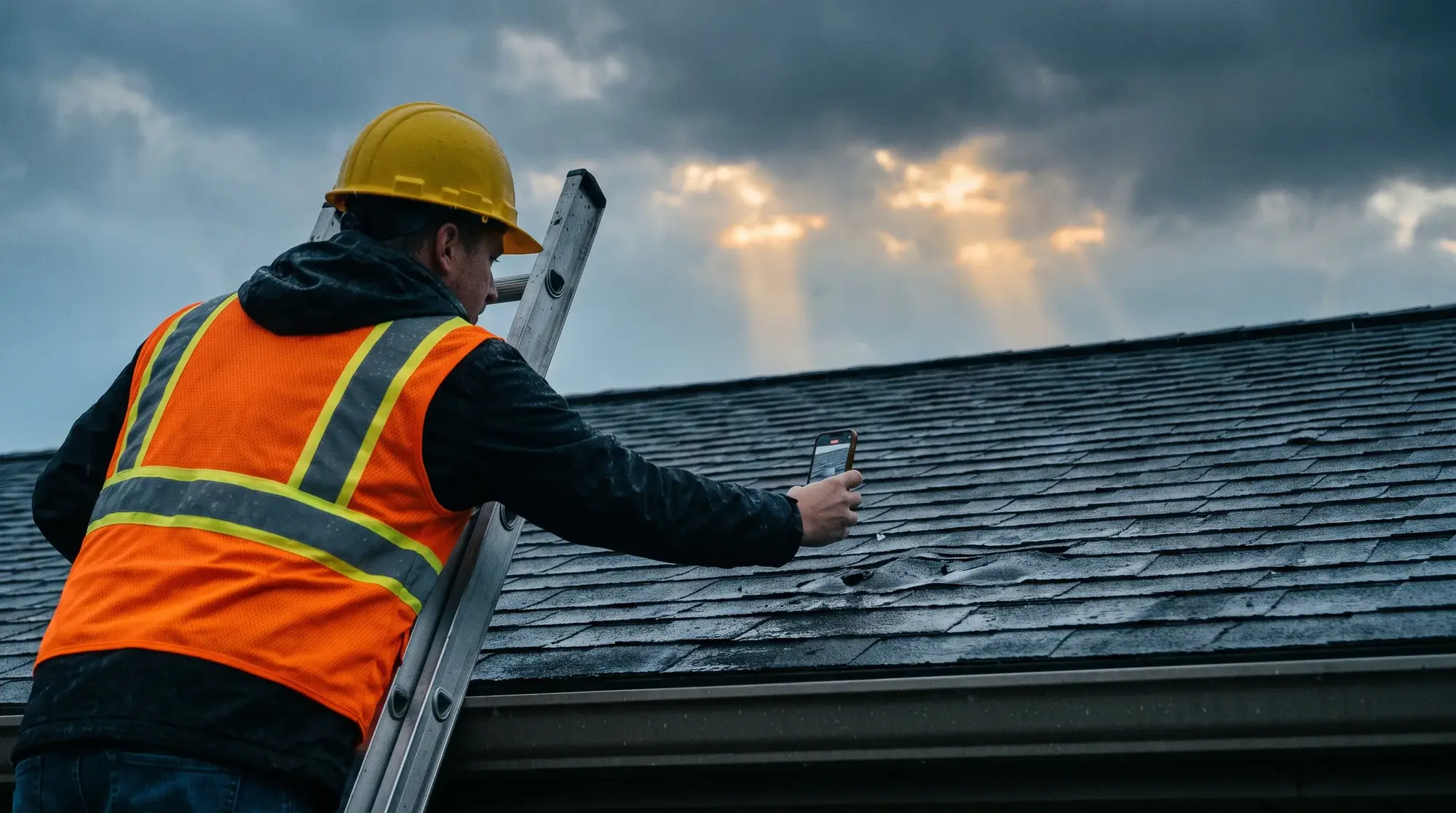
The windstorm deductible is an optional deductible that applies to any windstorm loss. It commonly ranges from 1% to 5% of either the value of the dwelling or the amount of insurance on the dwelling.
From the initial phone call to the final invoice, we will not leave you waiting or with unanswered questions.

Roof insurance questions, answered straight
Does insurance cover roof damage from a Buffalo snowstorm or ice dam?
Usually yes when the damage is sudden. The collapse or leak caused by a heavy snow load or an ice dam is generally treated as a covered event on a standard New York policy. Slow leaks from repeated freeze-thaw cycles or poor attic ventilation are typically excluded as maintenance issues.
Will my insurer still pay if my roof is old?
It depends on your roof's age and policy. Many New York carriers automatically shift roofs older than 15 to 20 years to actual cash value, meaning they subtract depreciation from the payout. Some carriers decline to renew coverage on a very old roof until it has been replaced.
What is the difference between ACV and RCV on a roof claim?
Replacement Cost Value pays the full price of a new roof with no deduction for age. Actual Cash Value pays that amount minus depreciation for wear and age, so an older roof yields a much smaller check. RCV coverage costs more but pays significantly more after a loss.
How much is the deductible on a New York roof claim?
Most claims carry a flat deductible, often 500 to 2,500 dollars. Some policies add a windstorm deductible that the NY Department of Financial Services says commonly runs 1 to 5 percent of the dwelling's insured value, which can total thousands of dollars on a wind claim.
Can Mann Roofing help with my insurance claim?
Mann Roofing and Remodeling can inspect storm damage, document it, and provide a written replacement estimate to submit with your claim. Mann is a CertainTeed and Owens Corning certified Buffalo contractor and is not a public adjuster, so it does not negotiate directly with your insurer.
Where a Buffalo claim usually leads

Put a written estimate behind your claim
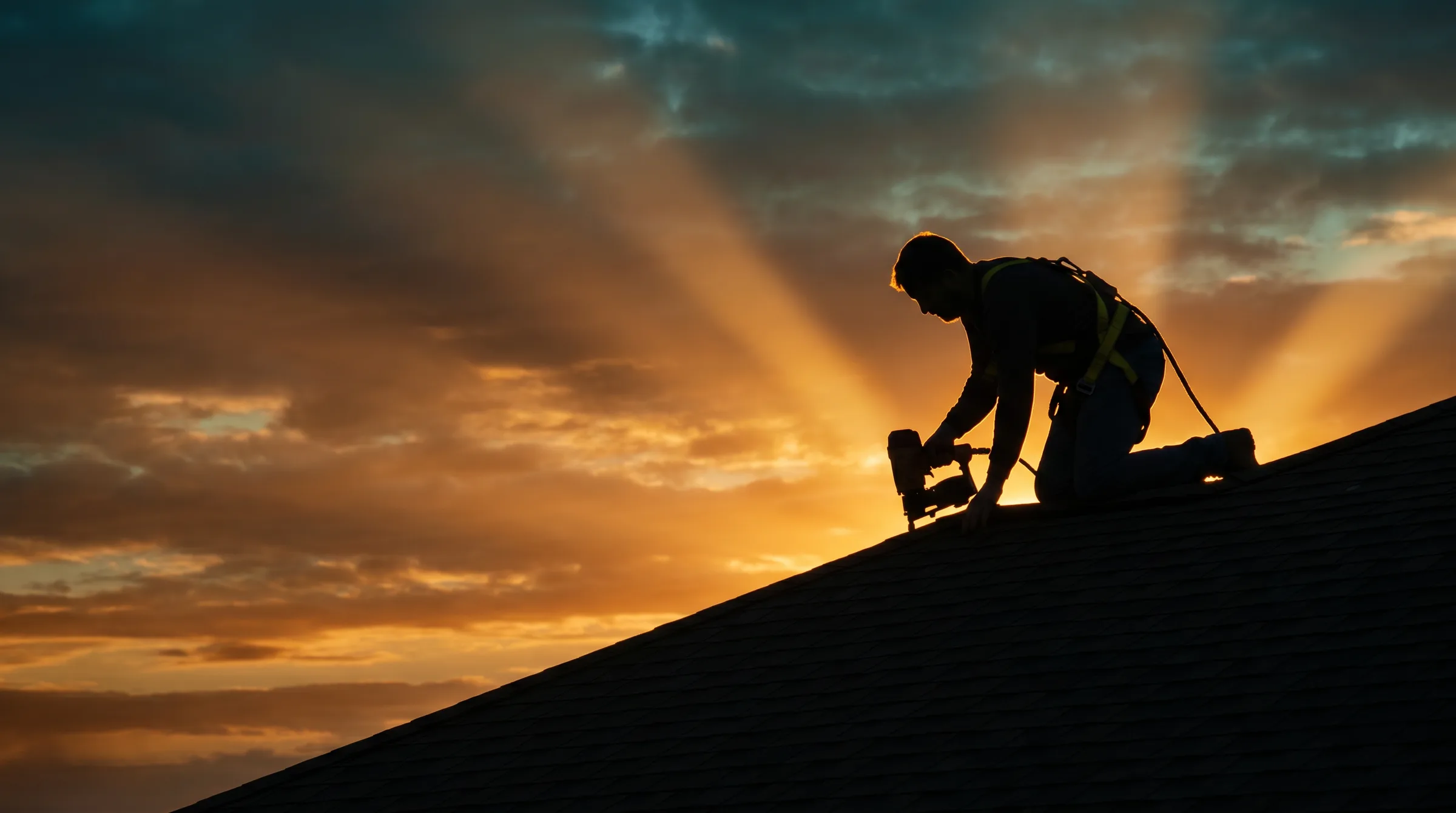
The bottom line for New York homeowners is straightforward. Insurance is built to pay for sudden storm damage to a roof that was in good condition, not to replace a roof worn out by time. Know your roof's age, confirm whether your policy pays RCV or ACV, and identify your wind deductible before the next storm rolls off Lake Erie. If a recent Buffalo storm may have damaged your roof, call Mann Roofing and Remodeling at (716) 500-6266 for an inspection and a written estimate.