
Best Roofing Material for Buffalo Winters and Lake-Effect Snow
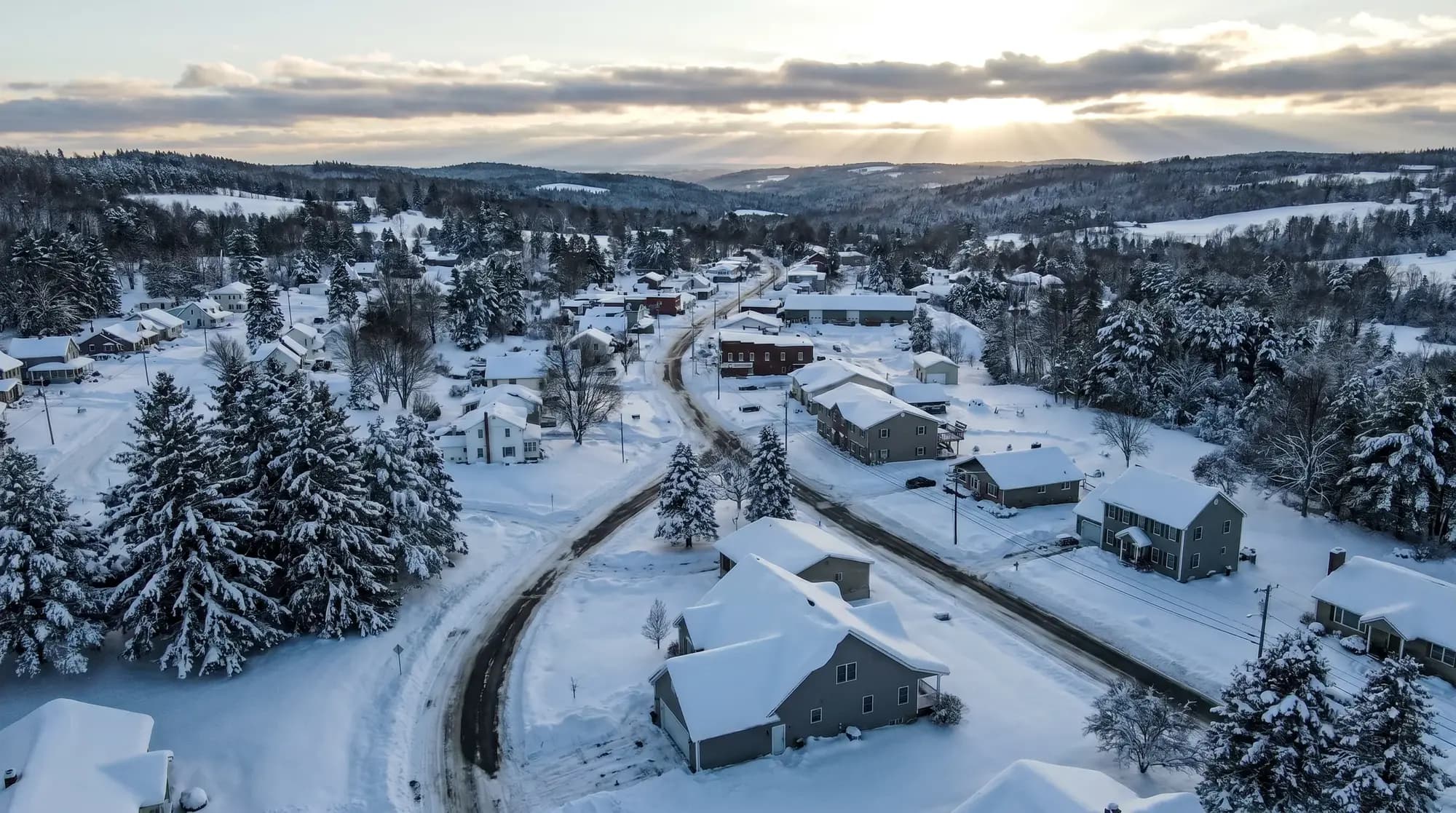
Buffalo's roofing problem starts with its winters. The National Weather Service office in Buffalo reports the metro area averages roughly 85 to 95 inches of snow per year, and more than half of that total falls as lake-effect snow rolling off Lake Erie. That snow is not spread evenly. The snowbelt sits south of the city, so towns like Orchard Park, Hamburg, and Boston routinely bury while the airport stays comparatively clear. During one November 2022 event the Buffalo airport measured about 36 inches while Orchard Park recorded roughly 82 inches. A roof here is judged by how it handles weight, freeze-thaw cycling, and ice, not by how it survives the sun.

What is the best roofing material for Buffalo winters and lake-effect snow?
For Buffalo winters and lake-effect snow, standing-seam metal is the most durable roofing choice, lasting 30 to 50 or more years and shedding snow load, while architectural asphalt shingles (22 to 25 years) offer the best value and slate (75 to 150 years) the longest life. Attic ventilation matters as much as the material.
Asphalt vs standing-seam metal, scored against a lake-effect winter
 Architectural asphalt
 Standing-seam metal
The call: So which is best? For most Buffalo homeowners the honest answer is architectural asphalt for value and metal for longevity. Choose asphalt if you want the lowest upfront cost, plan a normal 20 to 25 year ownership horizon, or need a fast, familiar install. Choose standing-seam metal if you are staying put for decades, your roof pitch sheds well, and you want the best defense against snow load and ice. Reserve slate for historic homes, larger budgets, and structures already built to carry the weight. Roof pitch, structural capacity, budget, and how long you intend to stay usually settle the question before aesthetics do.
Three materials, one opponent: the melt-and-refreeze cycle
The material you choose matters, but the real enemy in Western New York is the ice dam. According to the U.S. Department of Energy's Building America Solution Center, ice dams form when heat escaping into the attic warms the roof deck, the snow above it melts, and the meltwater refreezes once it reaches the cold eave, backing water up under the roofing. Every material below performs differently against that cycle, and every one of them fails early if the attic beneath it is warm and poorly vented.
“Ice dams occur if snow is present on a roof and the roof deck under that snow reaches above freezing temperatures.”
22 to 25
years of service, architectural asphalt, per the NRCA
Architectural asphalt, the value pick
Architectural asphalt shingles are the default choice on most Buffalo homes, and for good reason. The National Roofing Contractors Association puts the service life of architectural (laminate) shingles at roughly 22 to 25 years, older flat 3-tab shingles at about 20, and premium luxury shingles at 30 or more. They cost the least to install, come in wind ratings up to 130 mph, and any local crew can repair them. In the snowbelt their weak point is the eave, which is why a self-adhered ice-and-water membrane along the first several feet of the roof edge is non-negotiable here.
Asphalt shingle roofing in Buffalo30 to 50+
years of service, standing-seam metal, per the Metal Roofing Alliance
Standing-seam metal, the snow shedder
Metal roofing, and standing seam in particular, is the strongest performer against lake-effect snow. The Metal Roofing Alliance reports that a quality metal roof can last 30 to 50 or more years, two to three times the life of a standard asphalt roof. A standing-seam panel has raised, interlocking seams that sit above the water plane and hide the fasteners, so there are fewer places for wind-driven snowmelt to work its way in. The slick surface sheds snow load instead of holding it. That same shedding is why snow guards are added above doorways, walkways, and driveways, so a roof avalanche does not land on someone below.
Metal roofing in Buffalo75 to 150+
years of service, quality slate, per the Slate Roofing Contractors Association
Slate, the century option
Slate is the longest-lived option by a wide margin. The Slate Roofing Contractors Association notes that hard slate quarried in Vermont and New York can last well over a century, with quality slate roofs commonly serving 75 to 150 years or more. Buffalo's older neighborhoods are full of century homes that still wear their original slate. The tradeoffs are weight and cost. Slate is heavy enough that many homes need a structural review before it goes on, and both the material and the specialized labor sit at the top of the price ladder.
Slate roofing in Buffaloup to 25%
longer roof life from proper attic ventilation, per the NRCA
The equalizer: the attic under the roof
Whatever you install, the attic underneath decides how long it lasts. The National Roofing Contractors Association reports that proper attic ventilation can extend a roof's usable life by up to 25 percent, while local climate can shift its lifespan by as much as 40 percent. Combined with air sealing at the ceiling, balanced intake-and-exhaust ventilation keeps the roof deck cold, which is exactly what stops the melt-and-refreeze cycle that builds ice dams. Paying for premium shingles while leaving a hot, under-vented attic in place is money poorly spent.
Roof replacement, done right- Architectural shingle
- An architectural shingle, also called a laminate or dimensional shingle, is an asphalt shingle built from multiple bonded layers for a thicker, textured profile. It lasts longer than flat 3-tab shingles (about 22 to 25 years versus roughly 20) and carries higher wind ratings, which is why it is the standard choice on most Buffalo homes.
- Standing seam
- A standing-seam metal roof is a panel system in which the vertical seams joining the panels are raised above the flat drainage plane and interlock, concealing the fasteners beneath the surface. The hidden fasteners and slick, continuous panels resist wind-driven snowmelt and shed snow load, making it well suited to lake-effect winters.
Mann Roofing and Remodeling has installed roofs across Buffalo and Western New York since 2007 and is certified by CertainTeed and Owens Corning, two of the shingle manufacturers whose systems carry those longer warranties. The team installs and repairs both asphalt and metal systems and can walk a homeowner through ventilation, ice-and-water protection, and the tradeoffs above before a single shingle is ordered. Financing is available through HEARTH at 0 percent interest for 12 months with no payments, and estimates start with a phone call to (716) 500-6266.

- Architectural asphalt shingles
- 22 to 25 years (NRCA)
- 3-tab asphalt shingles
- About 20 years (NRCA)
- Standing-seam metal roof
- 30 to 50+ years (Metal Roofing Alliance)
- Slate roof
- 75 to 150+ years (Slate Roofing Contractors Assoc.)
- Buffalo average snowfall
- 85 to 95 inches per year (NWS Buffalo)
- Attic ventilation impact
- Extends roof life up to 25% (NRCA)
40 to 70 years
Metal roofs commonly last 40 to 70 years, and standing seam systems shed heavy snow well.
Source: Metal Roofing AllianceBest roofing material questions
What is the best roofing material for Buffalo winters?
For most Buffalo homes, architectural asphalt shingles offer the best value at 22 to 25 years, while standing-seam metal is the most durable against lake-effect snow, lasting 30 to 50 or more years per the Metal Roofing Alliance. Slate lasts longest but needs a strong structure and a larger budget.
Do metal roofs handle lake-effect snow better than shingles?
Yes. A standing-seam metal roof has raised, interlocking seams and a slick surface that sheds snow load instead of holding it, with fewer seams for wind-driven melt to penetrate. Snow guards are added over entrances so shed snow does not fall on people. Metal typically outlasts asphalt two to three times over.
How long do asphalt shingles last in Buffalo's climate?
The National Roofing Contractors Association puts architectural asphalt shingles at about 22 to 25 years, 3-tab shingles at roughly 20, and luxury shingles at 30 or more. In Buffalo's snowbelt, an ice-and-water membrane at the eaves and good attic ventilation are what keep them reaching the top of that range.
What causes ice dams on Buffalo roofs?
Per the U.S. Department of Energy, ice dams form when heat escaping into the attic warms the roof deck, snow melts, and the water refreezes at the cold eave, backing up under the roofing. Balanced attic ventilation, air sealing, and an eave ice-and-water membrane are the proven prevention, not the roofing material itself.
Is a slate roof worth it in Western New York?
Slate lasts 75 to 150 years or more per the Slate Roofing Contractors Association, longer than any other common material, and suits Buffalo's historic homes. The catch is weight and cost. Many houses need a structural review before slate is installed, and both material and specialized labor are the most expensive option.
Does attic ventilation really affect how long my roof lasts?
Yes, significantly. The National Roofing Contractors Association reports proper attic ventilation can extend roof life by up to 25 percent, and local climate can shift lifespan by up to 40 percent. Balanced ventilation keeps the roof deck cold, which also prevents the melt-and-refreeze cycle that forms damaging ice dams.
Still weighing asphalt against metal?
From the initial phone call to the final invoice, we will not leave you waiting or with unanswered questions.