
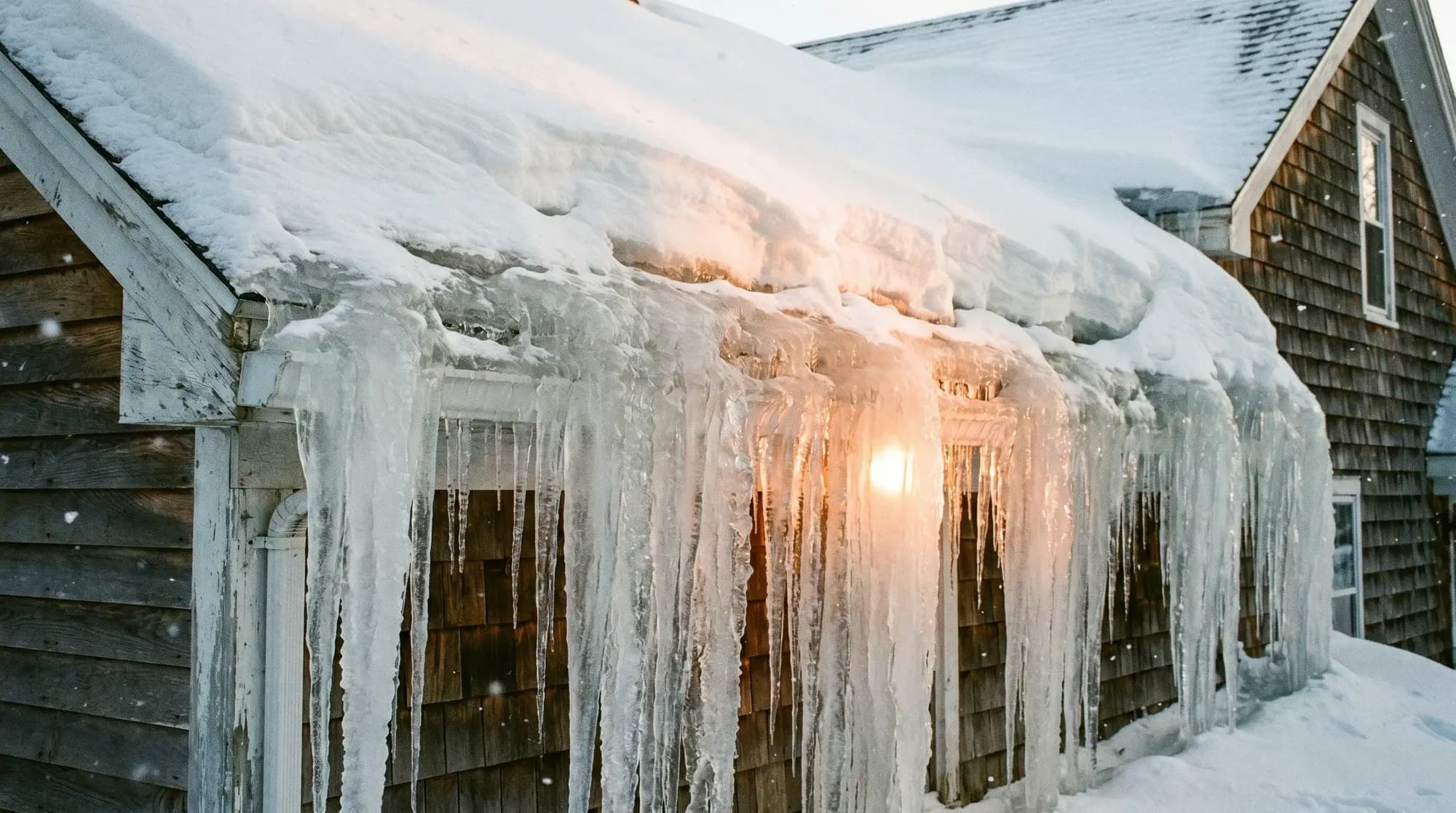
Winter Roof Protection in Western New York
Ice Dams and Snow Load on Buffalo Roofs: Causes, Prevention, and What to Do
Done right the first time, not the third. This field guide explains how meltwater pries a Buffalo roof apart from the eave up, what a lake-effect snowpack really weighs, and the three-part system that keeps water out of your ceilings.
- Ice-and-water shield standard on our replacements
- CertainTeed and Owens Corning certified installers
- Serving Buffalo since 2007

What causes ice dams and roof snow load on Buffalo homes, and how do you prevent them?
Ice dams form when heat escaping into the attic melts roof snow that then refreezes at the cold eaves, backing water under the shingles. In Buffalo, where the National Weather Service records 85 to 95 inches of snow a year, prevention means attic insulation, balanced ventilation, and ice-and-water shield at the eaves.
~85 to 95 inches
Buffalo averages roughly 85 to 95 inches of snow a year, more than three times the US average, and the snowbelt just south of the city can see far more.
Source: National Weather Service, Buffalo36 vs 82 inches
In the November 2022 storm the Buffalo airport recorded 36 inches while Orchard Park, about 16 miles south, saw 82 inches, showing how sharply snow load varies across Erie County.
National Weather Service, BuffaloHow meltwater pries a roof apart, from the eave up
Ice dams and snow load are the two biggest winter threats to a Buffalo roof, and both trace back to the same cause: a lot of snow sitting on the roof for a long time. The National Weather Service Buffalo office records an average of roughly 85 to 95 inches of snow each season, and the lake-effect snowbelt south of the city routinely doubles that. An ice dam is a ridge of ice that builds along the roof edge and traps meltwater behind it. Snow load is the downward weight of that accumulated snow and ice on the structure. Understanding how each one forms is the first step to keeping water out of your attic and stress off your rafters.
An ice dam starts with an uneven roof temperature. Heat that leaks from the living space into the attic warms the upper roof deck above 32 degrees, melting the underside of the snowpack. That meltwater runs down the slope until it reaches the eaves and the roof overhang, which stay below freezing because there is no heated space beneath them. There the water refreezes, and over repeated cycles it builds a dam of solid ice. As the National Weather Service explains, ice dams occur when heavy snow buildup melts during the day and then refreezes when temperatures drop overnight. Once the dam is high enough, meltwater pools behind it and works its way up under the shingles, where it can leak into the attic, insulation, ceilings, and walls.
- Ice dam
- A ridge of ice that forms along a roof's eaves when snow melts higher up the warm roof and refreezes at the cold edge. The dam traps meltwater behind it, which can back up under the shingles and leak into the attic, ceilings, and walls.
- Snow load
- The total downward weight of accumulated snow and ice on a roof, measured in pounds per square foot. Wet snow and ice weigh far more than dry powder, so the real load depends on depth and density, not on how deep the snow looks.
“They occur when heavy snow buildup melts during the day and then refreezes when temperatures drop overnight.”
Buffalo is unusually exposed to this problem because of Lake Erie. Lake-effect bands can drop snow measured in feet rather than inches over a single neighborhood while leaving another a few miles away nearly clear. In November 2022, an observation site in Orchard Park recorded more than 80 inches of snow over four days, one of the heaviest short-duration lake-effect totals in New York history, while the Buffalo airport just north of the band saw a small fraction of that. Deep, long-lasting snowpack like this gives the melt-and-refreeze cycle plenty of fuel, which is why local roofs need more winter protection than a national spec sheet assumes.
Snow load is a separate danger, measured in weight rather than leaks, and not all snow weighs the same. According to FEMA's Snow Load Safety Guide, one foot of light, dry snow weighs about 3 pounds per square foot, one foot of wet, heavy snow weighs about 21 pounds per square foot, and one foot of ice weighs about 57 pounds per square foot. That means a roof carrying two feet of settled, rain-soaked snow over a layer of ice can be supporting well over 60 pounds on every square foot. Sagging ridgelines, cracking drywall, and interior doors that suddenly stick are all warning signs that a roof is carrying more load than it should.
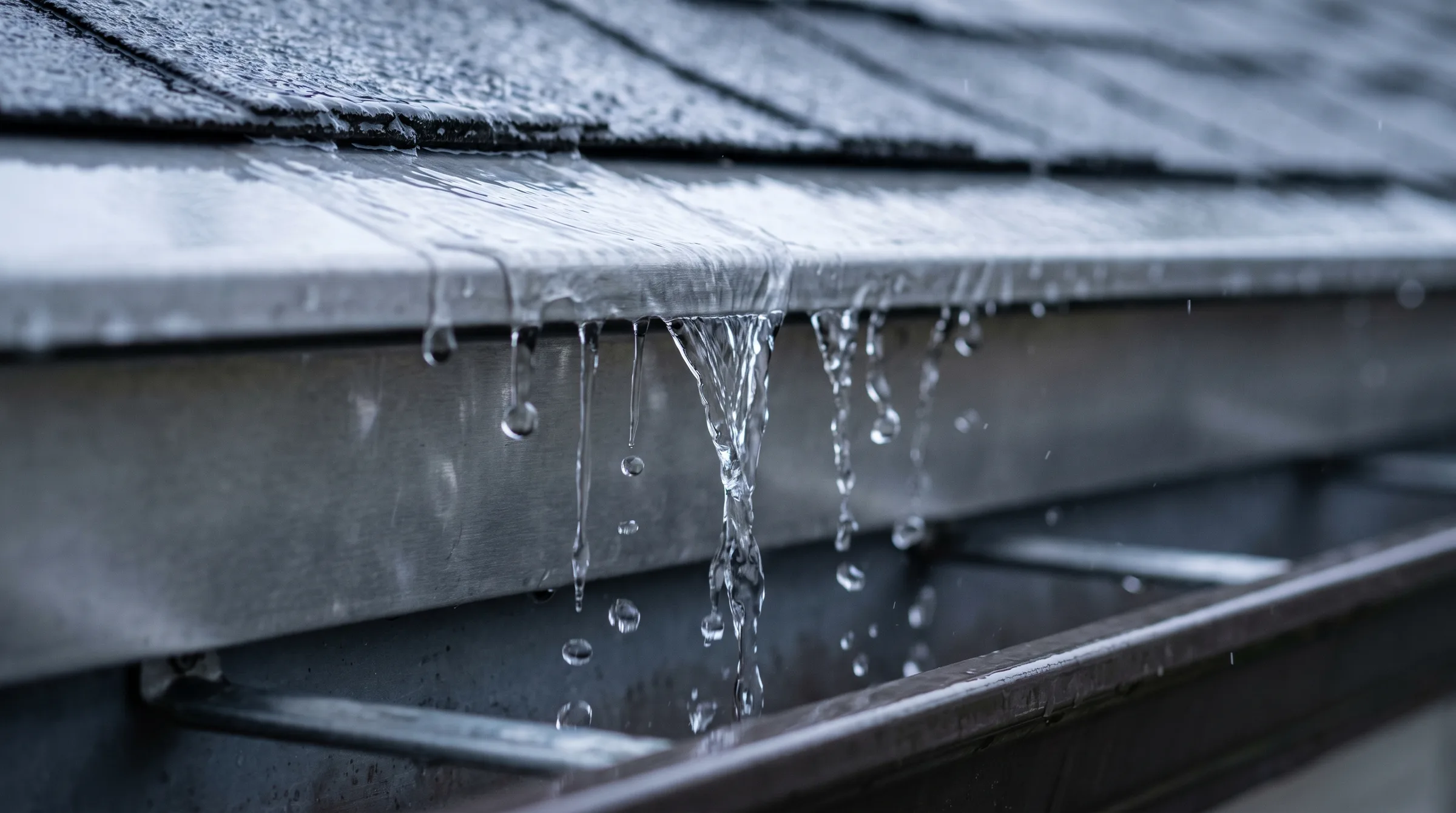
The prevention system, in order
- 01
Air seal and insulate the attic floor
The most effective ice dam prevention keeps the entire roof deck cold and uniform, and that work starts inside the attic. Air sealing the ceiling plane, then adding insulation to close the gaps around recessed lights, attic hatches, plumbing stacks, and top plates, stops warm household air from ever reaching the underside of the deck. When the deck stays near the outdoor temperature, the snow on top does not melt from below, so there is nothing to run down and refreeze at the eaves. Insulation alone is not a complete cure, but without it, ventilation and membranes are fighting a losing battle against constant heat loss.
- 02
Balance intake and exhaust ventilation
Balanced ventilation is the partner to insulation. Intake vents at the soffits and exhaust vents at the ridge let cold outdoor air wash across the underside of the deck and carry away any heat and moisture that escape the attic floor. The National Roofing Contractors Association recommends roughly one square foot of net free vent area for every 150 square feet of attic, split evenly between intake and exhaust. Proper ventilation does double duty: it flattens the temperature difference that drives ice dams, and it helps extend the service life of the roof covering by keeping the deck cooler and drier year round.
- 03
Ice-and-water shield at the eaves
Because no amount of insulation is perfect in a Buffalo winter, the roof itself needs a waterproof backstop at its most vulnerable edge. The International Residential Code requires an ice barrier in climates with a history of eave ice, and it must run from the lowest roof edge to a point at least 24 inches inside the exterior wall line. In practice that means a self-adhering ice-and-water shield membrane installed under the shingles along the eaves and in the valleys, so that if water does back up behind a dam it meets a sealed surface instead of bare decking. Mann Roofing and Remodeling installs ice-and-water shield as standard on Buffalo-area roof replacements for exactly this reason.
During the season, a roof rake is the safest tool a homeowner has. Pulling the first three to four feet of snow off the eaves from the ground, after each major storm, removes the snow that feeds a dam without anyone climbing onto an icy roof. Never use a hammer, an ax, or rock salt to chip at an existing dam, because you are far more likely to damage shingles or hurt yourself than to fix the problem. If a dam has already formed and water is entering the house, the real fix is careful steam removal by a professional, followed by an attic and roof assessment once the weather breaks.
- National Weather Service Buffalo, seasonal snowfall data
- National Weather Service, Preventing Roof Ice Dams
- FEMA P-957, Snow Load Safety Guide
- 2021 International Residential Code R905.1.2, Ice barriers
- National Roofing Contractors Association, attic ventilation guidance
- Fox Weather, November 2022 Buffalo lake-effect snowstorm
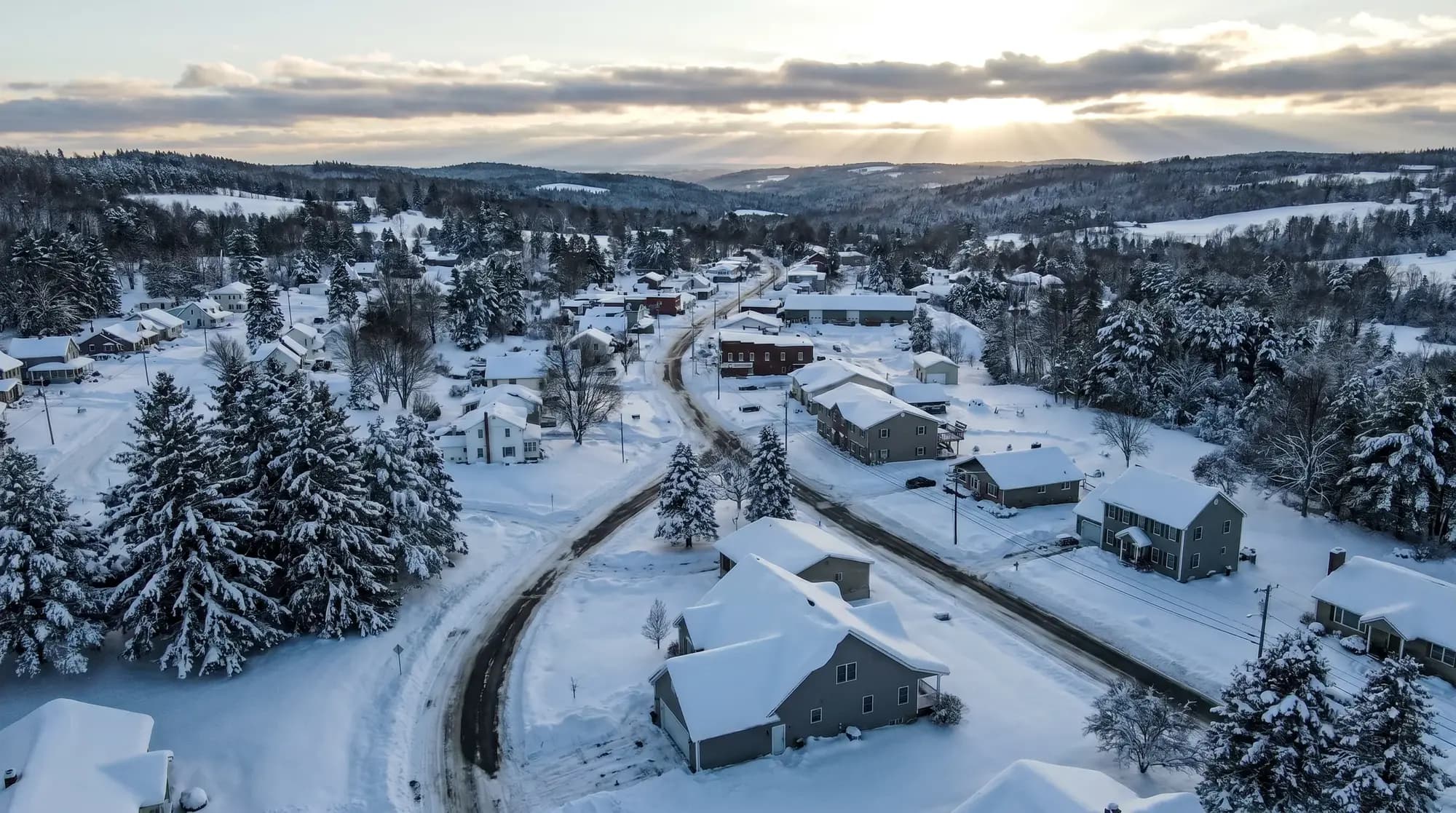
The numbers, pinned where you can see them
Buffalo average snowfall: About 85 to 95 inches per season (NWS Buffalo)
Orchard Park, Nov 2022: More than 80 inches in four days
Weight of wet snow: About 21 lb per square foot per foot of depth (FEMA)
Weight of ice: About 57 lb per square foot per foot (FEMA)
Ice barrier code: Membrane to 24 in inside the exterior wall line (IRC R905.1.2)
Attic ventilation rule: 1 sq ft of vent per 150 sq ft of attic (NRCA)
Ice dam and snow load questions
What causes ice dams on Buffalo roofs?
Ice dams form when heat escaping into the attic melts snow on the upper roof, and that meltwater refreezes at the colder eaves. The ice builds into a ridge that traps water behind it, forcing it under the shingles. Deep, persistent lake-effect snow makes Buffalo especially prone.
How do I prevent ice dams?
Prevention keeps the roof deck uniformly cold. Air seal and insulate the attic floor to stop heat loss, add balanced soffit and ridge ventilation to flush out any warm air, and install ice-and-water shield at the eaves as a waterproof backstop under the shingles.
How much can snow weigh on my roof?
A lot. FEMA's Snow Load Safety Guide puts one foot of dry snow near 3 pounds per square foot, wet snow near 21 pounds, and ice near 57 pounds. Two feet of packed, icy snow can press over 60 pounds on every square foot of decking.
Should I rake snow off my roof?
Yes. A roof rake used from the ground is the safest way to reduce load and starve an ice dam. Clear the first three to four feet along the eaves after each major storm. Never climb an icy roof or chip at a dam with tools or salt.
Is ice-and-water shield required in Buffalo?
The International Residential Code requires an ice barrier in cold climates with a history of eave ice, running from the roof edge to at least 24 inches inside the exterior wall line. In the Buffalo snowbelt, that self-adhering membrane is essential protection, not an upgrade.

Get your free winter roof evaluation
If your Buffalo home sees ice dams every winter, recurring attic leaks, or stained ceilings after a thaw, the roof is telling you that heat, air, and water are not being managed together. Mann Roofing and Remodeling, serving the Buffalo area since 2007, evaluates the full system, including insulation, ventilation, flashing, and underlayment, rather than treating each leak in isolation. A roof built and detailed for lake-effect winters is the difference between a snowy season you barely notice and one that ends with water in the living room.