

Slate and Specialty Roofing for Historic Buffalo Homes
Natural slate roofs last 75 to 150 years, and some documented roofs have carried the same stone for more than 200 years. That longevity is why slate still tops so many of Buffalo's homes built in the late 1800s and early 1900s. Slate is a metamorphic stone split into thin tiles, and a well-built slate roof can outlive the people who installed it. Mann Roofing and Remodeling, a Buffalo contractor working here since 2007, treats a slate roof as an asset to preserve rather than a problem to tear off.

Slate and specialty roofing in Buffalo, NY
Natural slate roofs last 75 to 150 years, and some documented roofs have carried the same stone for more than 200 years, which is why slate still tops many of Buffalo's late 1800s and early 1900s homes. Mann Roofing and Remodeling, a Buffalo contractor since 2007, assesses whether an aging slate roof needs targeted repair or full restoration.
The case for keeping the stone
Because the pattern, detailing, and craftsmanship of slate roofs are important design elements of historic buildings, they should be repaired rather than replaced whenever possible.
The stone
Two things set slate apart from asphalt: the material and the look. Architectural asphalt shingles last roughly 22 to 25 years by NRCA and NAHB figures, so an owner who reshingles four or five times may still not match a single slate roof. Slate also carries a depth of color and a hand-laid pattern that a printed shingle cannot copy. On a historic street, the graduated courses, the color blends, and the way the tiles weather over decades are part of the house's identity, not a detail to be swapped for something generic.
What actually fails
Here is the part that surprises most owners: the slate itself is rarely the problem. The National Park Service notes that flashings, underlayment, and fasteners were never built to last as long as the stone, and they typically need replacement at 50 to 75 years while the tiles keep performing past 100. Old felt underlayment can deteriorate almost to a powder in that window. Failing copper, lead, or galvanized flashing around chimneys, valleys, and dormers is one of the leading causes of leaks on a roof whose slate is still perfectly sound.
Repair or restore, not tear off
This is why repair and restoration, not full replacement, is usually the right call. Repair means targeted work: replacing cracked or slipped slates, resetting fasteners, and renewing failed flashing at the points where water actually gets in. Restoration is a larger step, carefully removing sound slate, replacing the underlayment and flashing beneath it, then relaying the salvaged tiles with new pieces blended in to match. Both approaches keep the original stone on the house and cost far less than stripping a roof that still has decades of life left in it.
The preservation rule
The preservation logic is well established. As the National Park Service puts it in Preservation Brief 29, because the pattern, detailing, and craftsmanship of slate roofs are important design elements of historic buildings, they should be repaired rather than replaced whenever possible. A roofer who reaches for a tear-off before diagnosing the flashing and underlayment is usually solving the wrong problem, and doing it at several times the cost.
When stone is not an option
Not every home is a candidate for new natural slate. The stone is several times heavier than asphalt, so the structure has to carry the load. When it cannot, or when a budget rules slate out, there are specialty options. Synthetic and composite slate mimics the look at a fraction of the weight, and standing seam metal is another long-life choice: the Metal Roofing Alliance puts a quality metal roof at 40 to 70 years. Ventilation matters for any material, since the NRCA finds proper attic ventilation can extend roof life by up to 25 percent.
Standing seam metal optionsExcellence is not just a goal, it is our guarantee.
Mann Roofing and Remodeling · Buffalo, NY · Since 2007
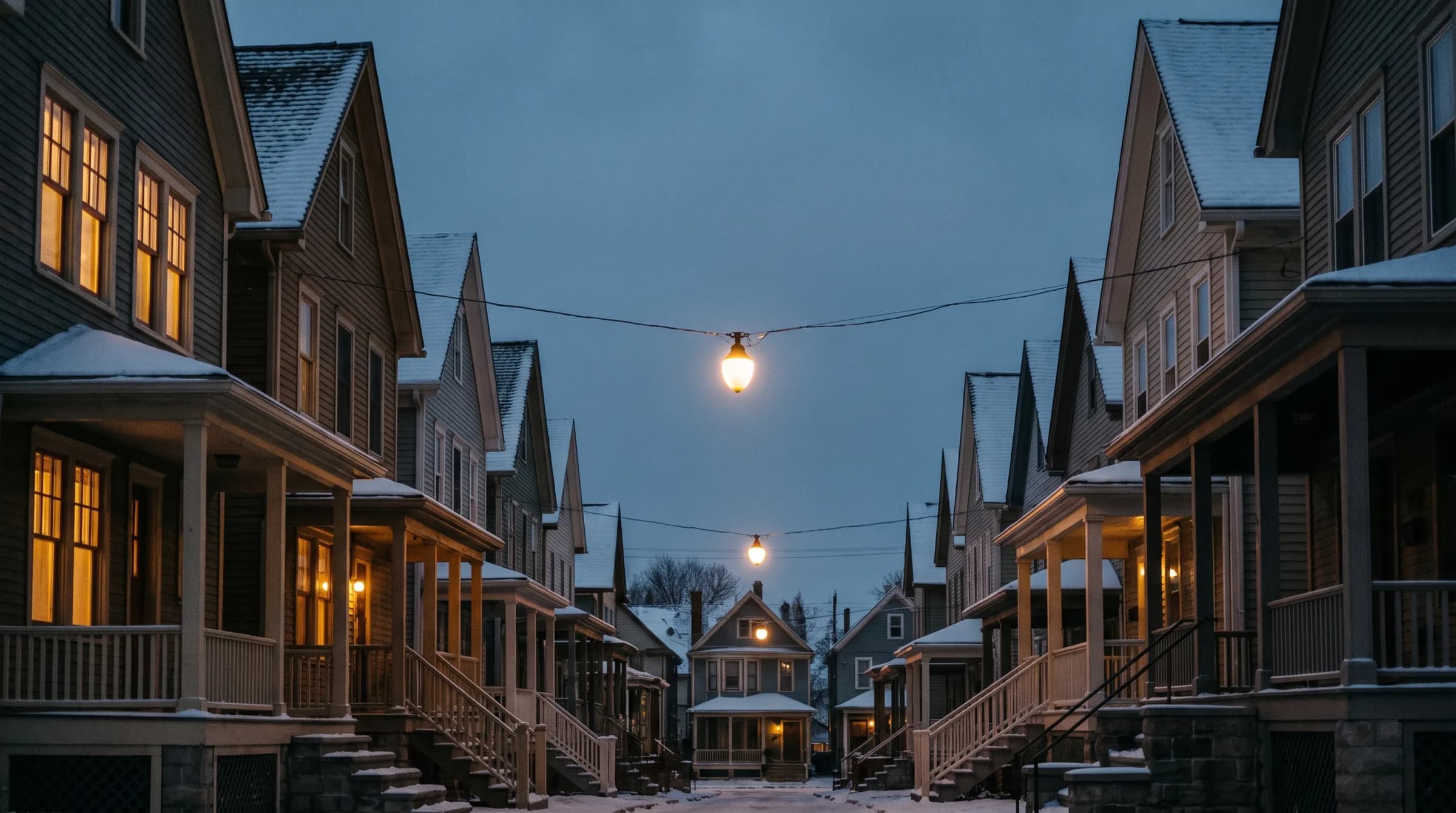
Stone that outlives its roofer.
Facts, scope, and what an assessment covers
Buffalo's climate makes an honest assessment essential. The National Weather Service reports the city averages roughly 85 to 95 inches of snow a year, and the snowbelt south of town sees far more. Freeze-thaw cycles, ice at the eaves, and heavy snow loads test every fastener and flashing seam. A proper inspection looks at slate condition, nail and hook integrity, flashing, underlayment, and whether the deck and structure are still sound before anyone recommends repair, restoration, or, only when the stone is truly spent, replacement.
- Natural slate lifespan
- 75 to 150 years (some over 200)
- Flashing and underlayment life
- 50 to 75 years
- Metal roof lifespan
- 40 to 70 years
- Architectural asphalt lifespan
- 22 to 25 years
- Serving Buffalo since
- 2007
- Certifications
- CertainTeed and Owens Corning
- Financing
- 0% interest, 12 months, no payments (HEARTH)
- Phone
- (716) 500-6266
- 01Slate roof inspection and condition assessment
- 02Individual slate replacement for cracked, slipped, or missing tiles
- 03Flashing repair and replacement at chimneys, valleys, and dormers
- 04Underlayment and ice-and-water barrier renewal
- 05Full slate restoration: salvage sound slate, re-underlay, and relay
- 06Synthetic slate and standing seam metal alternatives
- 07Attic ventilation evaluation
- 08Historic pattern and character matching
Slate roofing questions
How long does a slate roof last?
Natural slate roofs last 75 to 150 years, and the National Park Service notes some have lasted more than 200 years, depending on slate hardness, roof pitch, and climate. The stone usually outlasts its own flashing and underlayment, which need renewal at roughly 50 to 75 years.
Should I repair my historic slate roof or replace it?
Repair whenever possible. Because slate's pattern and craftsmanship are part of a historic home's character, the National Park Service recommends repair over replacement. Most leaks come from failed flashing or underlayment rather than the slate itself, so targeted repair or restoration keeps the original stone and costs far less.
Why is my slate roof leaking if the slate looks fine?
The slate is rarely the cause. Flashing, fasteners, and felt underlayment wear out decades before the stone does, typically at 50 to 75 years. Failing metal flashing around chimneys, valleys, and dormers is a leading source of leaks on roofs whose slate is still sound and worth saving.
What if my Buffalo home cannot support natural slate?
Natural slate is several times heavier than asphalt, so some structures cannot carry it. Synthetic or composite slate delivers a similar look at far less weight, and standing seam metal lasts 40 to 70 years per the Metal Roofing Alliance. We assess your structure before recommending a material.
Do you offer financing for slate restoration?
Yes. Financing is available through HEARTH with 0 percent interest for 12 months and no payments during that period, which helps owners phase a larger restoration. Call (716) 500-6266 to have your slate or specialty roof evaluated and to review financing options.
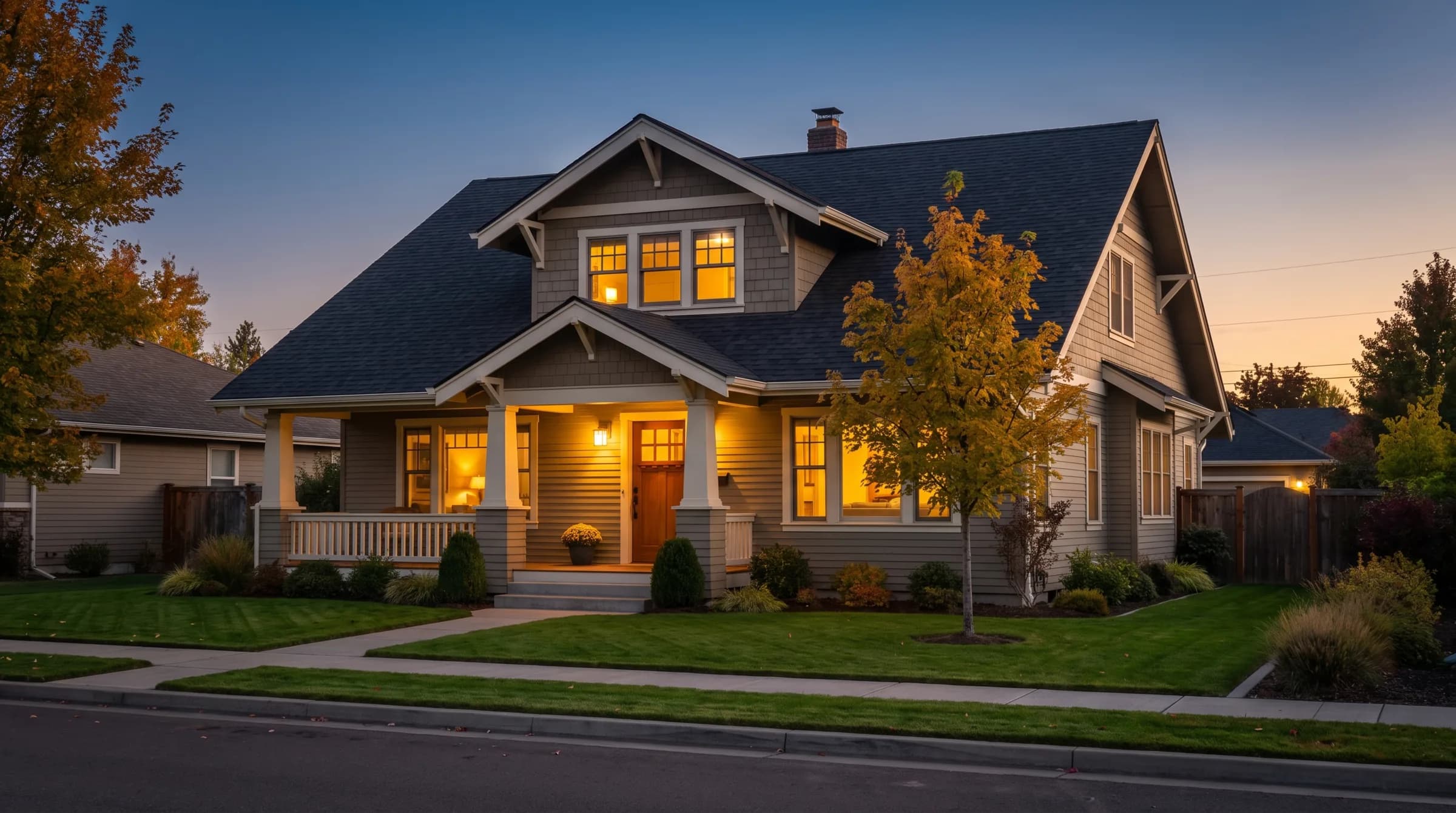
Keep the stone. Call the Mann.
As a CertainTeed and Owens Corning certified contractor, Mann Roofing and Remodeling brings manufacturer-backed systems to the parts of the job that surround the slate, from underlayment and ice-and-water protection to flashing and ventilation. Financing is available through HEARTH with 0 percent interest for 12 months and no payments during that period, which helps owners phase a larger restoration over time. To have a historic slate or specialty roof evaluated in Buffalo, call (716) 500-6266.