
Roofing Services in Buffalo, NY
Re-Roof Overlay vs Full Tear-Off in Buffalo, NY
Done right the first time, not the third. A plain-language guide to when Buffalo homeowners can re-roof with a second shingle layer versus when code and roof condition require a full tear-off, covering the cost, weight, warranty, and lifespan tradeoffs of each path.
- Layer limits checked against IRC R908.3.1
- Deck and framing inspected before any recommendation
- CertainTeed and Owens Corning certified installers

Can you re-roof over your existing shingles in Buffalo?
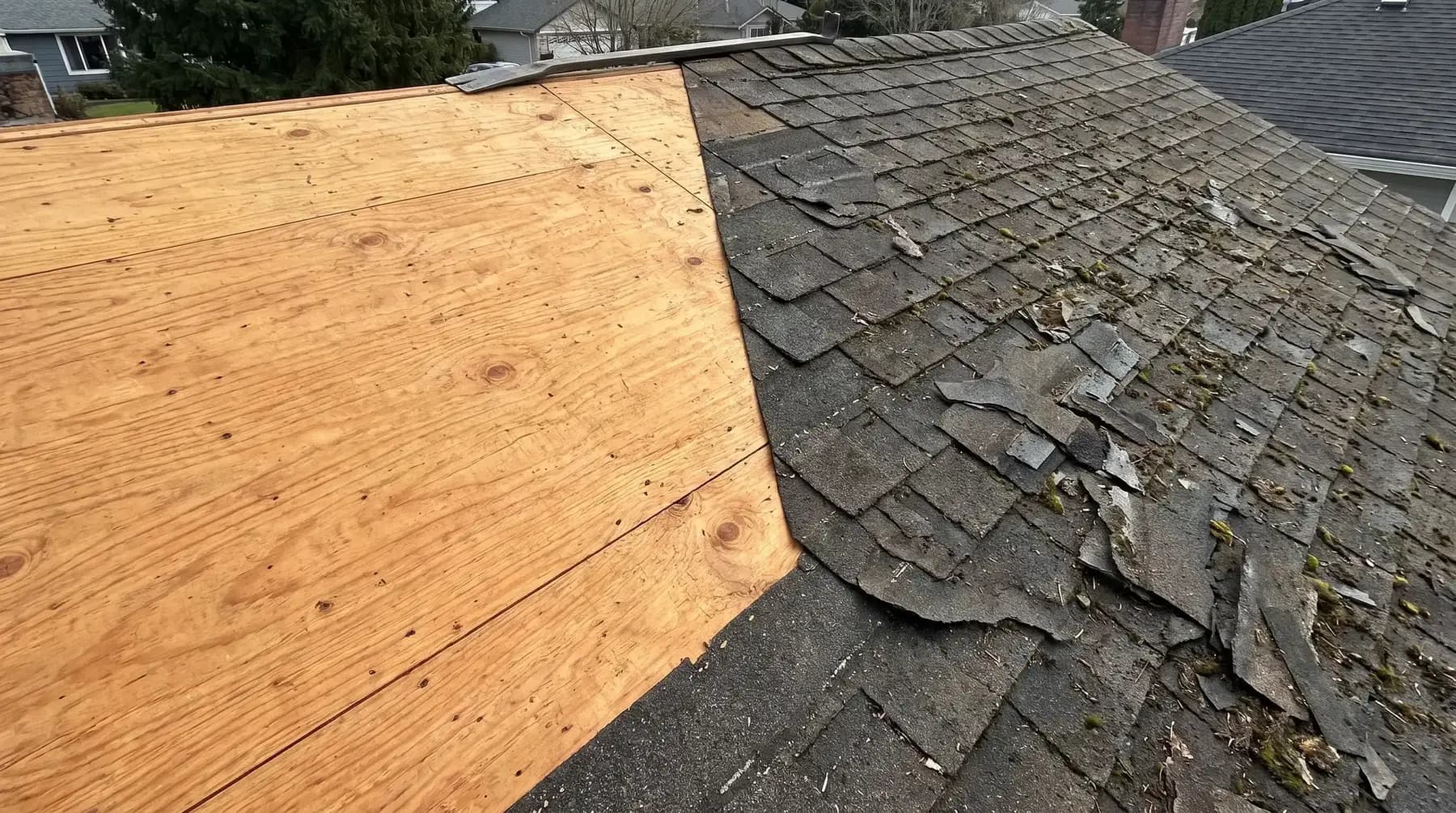
A re-roof overlay installs new shingles over one existing layer, while a full tear-off strips the roof to the deck. Under the International Residential Code (R908.3.1), a second layer is allowed only over a single sound layer; a roof already carrying two coverings must be fully torn off.
The layover and the tear-off, argued on one board
Mann Roofing and Remodeling, a Buffalo roofing company operating since 2007, handles both re-roof overlays and full tear-off replacements across Western New York. The choice between the two is governed by the International Residential Code, which permits a roof recover only when the existing roof carries a single layer of covering. Section R908.3.1 prohibits laying new shingles where a roof already has two or more applications of any roof covering, where the existing shingles are water soaked or deteriorated, or where the roof below is slate, clay, cement, or asbestos-cement tile.
Re-roof overlay
An overlay, also called a recover or roof-over, installs a fresh layer of asphalt shingles directly on top of the old one. The Asphalt Roofing Manufacturers Association allows this only when the roof has one flat-lying layer, the deck is structurally sound, and the framing can carry the added weight. When those boxes are checked, an overlay skips the tear-off labor and landfill disposal, so it usually costs less and finishes faster than a full replacement. That is the honest appeal of the option, and the reason many homeowners ask about it first.
Full tear-off
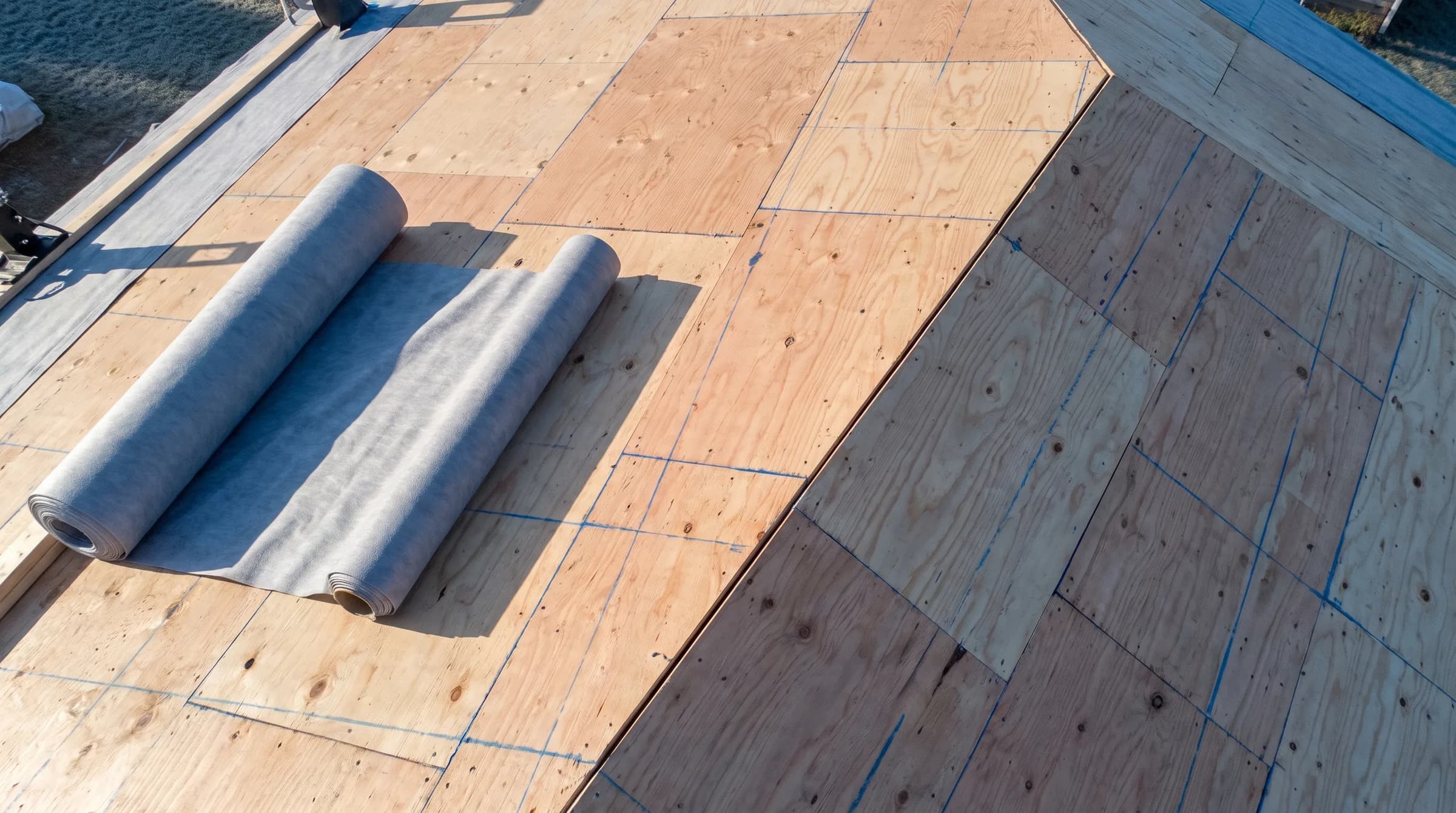
A full tear-off resets the roof completely. Stripping to the deck lets a crew replace rotted sheathing, install fresh underlayment and ice-and-water shield along the eaves where Buffalo ice dams form, correct ventilation, and start the manufacturer warranty clock on a clean assembly. It costs more up front and generates disposal, but it is the only path that qualifies for full CertainTeed and Owens Corning system coverage, and the only honest option once a roof already wears two layers.
“Most manufacturers do not recommend installing new shingles over existing laminated shingles.”
Where the overlay is refused
A second layer is not allowed in several common situations. Two coverings already on the roof is the hard limit in most jurisdictions. ARMA notes that most building codes do not allow more than two roof coverings on a building, and many local codes across New York cap it at one recover before a complete replacement is required. Sagging along the ridge or truss lines, rotted or warped decking, and gaps wider than a quarter inch between deck boards all force a tear-off, because an overlay only hides those problems instead of fixing them.
The weight nobody counts
Weight is the quiet reason overlays fail in this climate. A square of architectural asphalt shingles adds several hundred pounds per 100 square feet, and most residential roofs are framed for roughly 10 pounds per square foot of dead load, so a second layer eats into the margin the roof keeps in reserve for snow. Buffalo averages about 85 to 95 inches of snow per year according to the National Weather Service, and snowbelt towns south of the city see far more. Orchard Park recorded 82 inches in a single November 2022 storm while the airport measured 36. Piling shingle weight under that kind of load is a calculation, not a guess.
The warranty fine print
Manufacturer warranties are the second overlooked cost. Most shingle manufacturers do not recommend installing new shingles over existing laminated shingles, and both CertainTeed and Owens Corning, the two lines Mann installs, require a complete system with adequate attic ventilation for their strongest coverage. An overlay traps the old shingles' heat and moisture against the new layer and makes proper nailing depth harder to hit, which is why the most common real-world warranty denial across major brands traces back to ventilation. The NRCA reports that proper attic ventilation can extend a roof's service life by up to 25 percent, a margin an overlay tends to give away.
Where the savings unwind
Lifespan is where the savings often unwind. Architectural asphalt shingles last about 22 to 25 years when installed on a clean, well-vented deck, per NRCA and NAHB service-life data, but a layer installed over old shingles rarely reaches that ceiling. The new shingles telegraph the bumps and worn spots of the layer beneath, sit hotter, and cannot be inspected for deck rot until the next tear-off. A recover that adds ten or twelve years to a roof that would have lasted twenty-five as a fresh install is a shorter-term fix priced like a bargain.
The call: the tear-off. An overlay is a legal shortcut only while every box above stays checked. Once a roof carries two coverings, hides a soft deck, or needs its full manufacturer coverage, stripping to bare deck is the only honest path.
- 01Layer count and roof-covering assessment against code limits
- 02Deck inspection for rot, warping, and gaps before recommending overlay or tear-off
- 03Framing weight-capacity check for the added shingle load
- 04Full tear-off to the deck with sheathing repair when required
- 05Ice-and-water shield at eaves and valleys to guard against Buffalo ice dams
- 06Attic ventilation correction to protect the manufacturer warranty
- 07CertainTeed and Owens Corning system installation
~85 to 95 inches
Buffalo averages roughly 85 to 95 inches of snow a year, more than three times the US average, and the snowbelt just south of the city can see far more.
Source: National Weather Service, Buffalo36 vs 82 inches
In the November 2022 storm the Buffalo airport recorded 36 inches while Orchard Park, about 16 miles south, saw 82 inches, showing how sharply snow load varies across Erie County.
National Weather Service, Buffalo
Re-Roof questions, answered straight
Can I put a second layer of shingles over my existing roof?
Sometimes. A second layer is allowed only when the roof has one flat, sound layer and a solid deck, per the International Residential Code and ARMA. If the roof already carries two coverings, or the deck is rotted or sagging, code requires a full tear-off instead of an overlay.
How many layers of shingles does code allow in New York?
Most building codes, including the International Residential Code, allow no more than two total roof coverings, and many New York jurisdictions permit just one recover before a complete replacement is required. Section R908.3.1 bars a new layer over any roof that already has two or more applications of covering.
Is a re-roof overlay cheaper than a full tear-off?
Usually, yes. An overlay skips tear-off labor and landfill disposal, so it costs less up front and finishes faster. The tradeoff is a shorter lifespan, hidden deck problems left unrepaired, and reduced manufacturer warranty coverage, which is why the up-front savings often do not hold over the life of the roof.
Does an overlay void a shingle warranty?
It can. Most manufacturers, including CertainTeed and Owens Corning, do not recommend installing new shingles over existing laminated shingles, and their strongest system warranties require a complete assembly with adequate attic ventilation. An overlay makes proper nailing and ventilation harder to achieve, which is a common cause of warranty denials.
Why does Buffalo weather affect the overlay decision?
Weight and snow. Buffalo averages about 85 to 95 inches of snow a year according to the National Weather Service, and a second shingle layer adds dead load to a roof that must also carry that snow. On marginal framing, an overlay narrows the safety margin the roof needs each winter.
How do I know if I need a tear-off?
A layer count and deck inspection decide it. If the roof already has two layers, shows rotted or warped decking, has gaps wider than a quarter inch between boards, or sags along the ridge, a tear-off is required. Mann Roofing and Remodeling inspects both before recommending a path. Call (716) 500-6266.
Where this decision usually leads


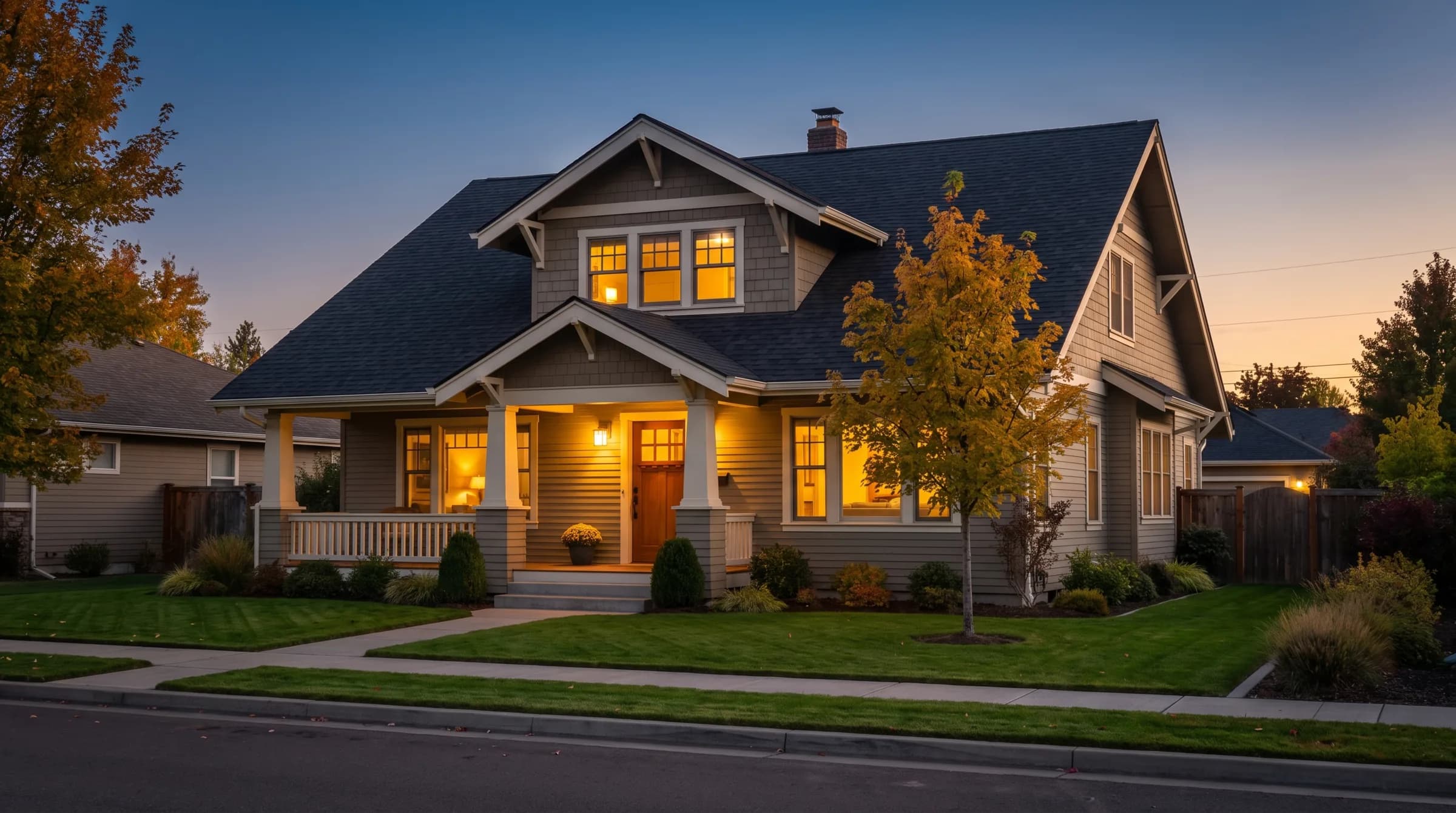
One inspection settles the whole argument
Deciding between the two starts with a layer count and a deck inspection, not a price sheet. Mann Roofing and Remodeling checks how many coverings are already on the roof, probes the decking for soft spots, and confirms the framing can carry added weight before recommending an overlay or a tear-off. Homeowners weighing the cost can use HEARTH financing with 0 percent interest and no payments for 12 months, and reach the company at (716) 500-6266 to schedule an inspection.